Posted by Natasha Terborg
on October 19, 2026

For hotels and healthcare facilities, laundry never really stops. Towels, sheets, robes and gowns cycle through rooms every day, and guests and patients notice immediately when any of it feels tired. Large properties answer with on-premise laundries or industrial contracts that run deep, high-temperature cycles on a fixed calendar. Those deep cycles matter, but they are only part of the story. What happens to linens between them is what people actually touch, and it is where many smaller operations struggle to keep up.
A professional wash, dry and fold pickup service exists to close that gap. Here is how the model works and why more hospitality and care operators are building it into their linen routines.
The gap between deep cycles
Industrial laundering is thorough by design: high temperatures, strong chemistry, long extraction. It is also hard on fabric, which is one reason it runs on a schedule rather than daily. In the meantime, room turnovers, spa treatments, therapy sessions and guest stays keep generating laundry that cannot wait for the next plant run. Letting it pile up means damp loads sitting in carts, odors setting in, and staff pulling double duty at a domestic machine that was never meant for fifty towels at once.
What a wash, dry and fold service actually does
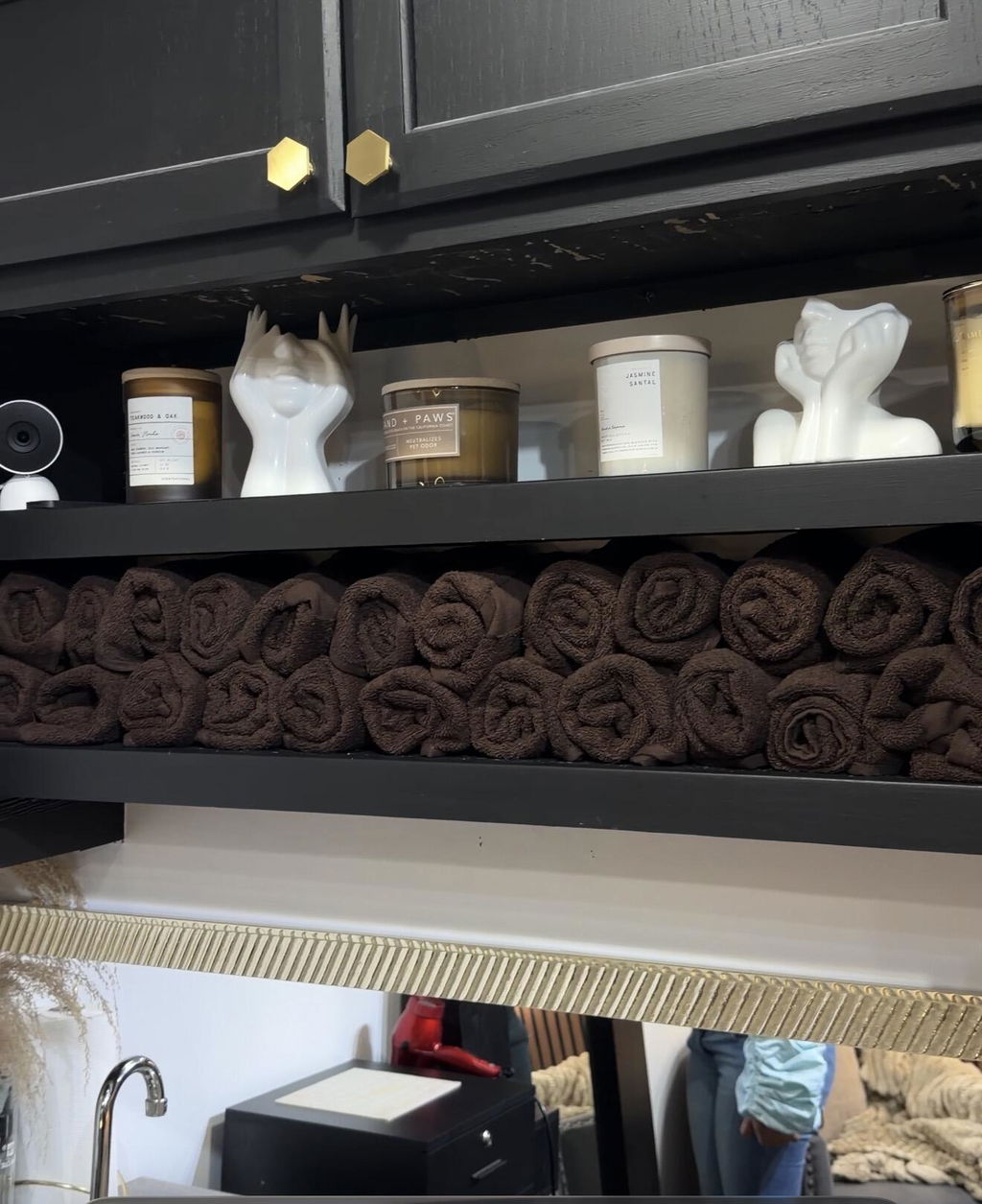
The model is simple. On an agreed schedule, the service collects bagged laundry from your back door, sorts it by fabric and soil level, washes each load at the temperature the fabric actually calls for, dries it carefully without baking the fibers, folds everything, and returns it shelf-ready. There is no contract machinery to maintain, no chemicals to store, and no staff hours lost to a laundry room.
The better services sweat the same details commercial laundries do. Loads are never packed so tight that water cannot circulate. Whites stay with whites. Detergent is measured, not guessed, because residue is what turns bright cotton gray and stiff. Fabric softener is kept away from towels, since the coating that makes fabric feel slick also kills absorbency.
Why consistency beats intensity
It sounds counterintuitive, but linens last longer when the everyday laundering is frequent and gentle rather than rare and aggressive. Soil and body oils that are washed out promptly never get the chance to bond with fibers. Towels that are dried properly and rested between uses keep their pile. The deep industrial cycle then becomes what it should be: a periodic reset, not a rescue operation for laundry that was neglected all week.
Operators who adopt this rhythm usually find their replacement costs fall. Towels and sheets wear out on a predictable curve instead of failing early from over-processing or under-washing.
Where the model fits best
Boutique hotels, bed and breakfasts and short-term rentals feel the squeeze most: real laundry volume, but no economical way to run a plant. The same goes for clinics, salons, spas, gyms and therapy practices, where fresh linen is part of the service itself. For these operators, a scheduled pickup two or three times a week keeps shelves stocked without a single employee touching a washer.
Making the handoff work
A little structure on your side makes the service far more effective. Keep two or three full sets of linen in rotation per room or station, so one is in use, one is on the shelf and one is in the wash. Bag outgoing laundry by type rather than mixed, and flag stains at collection so they get treated first. Agree the pickup days around your busiest turnover periods, not the other way round.
Choosing a provider
Ask how they sort, how they dose detergent, and whether towels are dried on high heat or handled more gently. Ask how items come back: folded, labeled, separated by type. Reliability matters more than anything. A missed pickup in a full house is a crisis; a service that shows up on the same days every week quietly becomes part of the operation.
For operators in northern New Jersey, The Laundorist runs scheduled wash, dry and fold pickup and delivery for exactly this kind of everyday volume, returning linen folded and ready for the shelf.
The bottom line
Bright towels and crisp sheets are not the product of one heroic wash. They come from a routine: prompt laundering, measured chemistry, careful drying and sensible rotation, with deep industrial cycles as the backstop. A wash, dry and fold pickup service puts that routine within reach of any operator, whatever their size.
About the author: Natasha Terborg is the founder of The Laundorist, a wash, dry and fold laundry pickup and delivery service based in Short Hills, New Jersey, serving homes and businesses across northern New Jersey.